A Gentle Restart After Time Away
A gentle restart after time away helps you return to a hobby without turning the first session into a test, so you can choose a fitting next move.

The common mistake after a break is treating the first practice session like a test of whether your old ability is still there. That pressure can make a hobby feel like an obligation before you have even started. A gentle restart after time away works better when the first task is to reconnect with the activity, not to reclaim lost ground.
Imagine Maya, an invented recreational watercolor painter who has not opened her supplies for several weeks. She misses painting but worries that her hand will feel rusty. Rather than reopening an unfinished landscape, she sets out scrap paper, a small palette, two brushes, and a jar of water. Her aim is to explore what she feels like painting today.
What makes a useful first session?
Maya mixes a few colors and paints loose shapes on scrap paper. This gives her a chance to handle familiar materials without making a polished picture the price of admission. She can see how the paint moves, whether she enjoys the colors, and whether she wants to keep going.
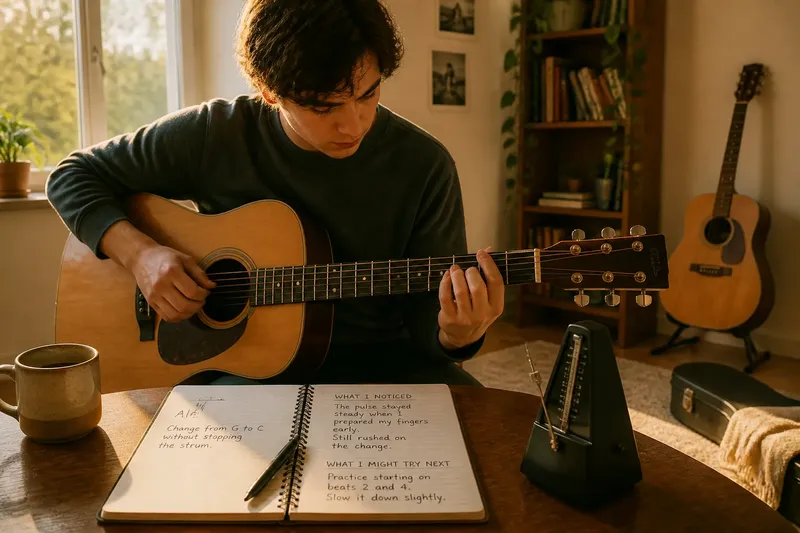
Choose a task that starts close to the part of your hobby you enjoy. A guitarist might play a familiar melody; a knitter might work a few rows in a favorite yarn; someone returning to running might take an easy walk on a familiar route. The point is not that these activities are effortless. It is that they let you meet the skill directly, without first tackling a backlog of unfinished plans.
Think of returning to a hobby like opening a drawer before reorganizing the whole desk. You get to see what is there before deciding what needs attention. A small, specific activity can show whether you want to pick up an old project, choose a new one, or leave the supplies closed for now.
How can you tell what still appeals?
Maya notices her brush control feels less familiar than she expected. She catches herself correcting every uneven edge, then switches to a larger brush and makes broader marks. That change shifts her attention from fixing each mark to experimenting with color.
She also notices that setting up the palette is pleasant, while searching through old unfinished work makes her tense. These details give her more to work with than a simple verdict that she is either “back” or “not back.” They point to the kind of activity she might choose next.
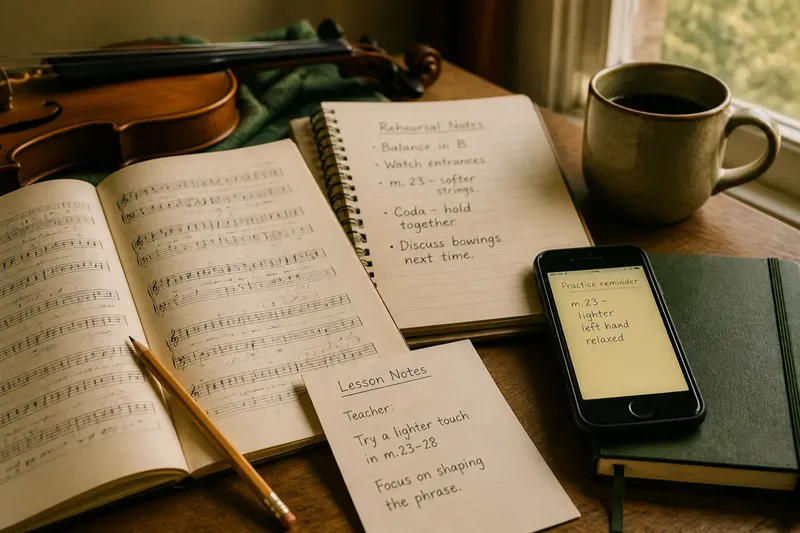
Say you are returning to a community choir after missing rehearsals. You attend one rehearsal, sing familiar warm-ups, and listen to the songs that feel less familiar. If one part is confusing, you mark it for later rather than expecting yourself to catch up with everything that evening. The result is a clearer sense of what needs attention without turning rehearsal into an exam.
What can you change if the session feels awkward?
A flat or frustrating session does not have to decide whether you still care about the hobby. Look for one source of friction: the task, setting, materials, or expectations. Changing one part can help you tell whether the trouble came from how you approached the activity or from not wanting to do it today.
- If the setup feels like a barrier, check which materials you actually need; if only a few are essential, set those out and leave the rest stored, or choose a task with simpler preparation.
- If the task feels too demanding, check whether it depends on skills you have not used recently; if it does, choose a familiar, less detailed version, or pause rather than pushing through frustration.
- If the setting distracts you, notice what keeps interrupting your attention; if you can reduce that distraction, change the location, or choose a quieter activity that fits the space.
- If you feel out of rhythm, check whether a slower pace makes the activity more comfortable; if it does, continue at that pace, or stop if it still feels unpleasant.
- If the hobby feels dull, check whether the subject or materials are part of the problem; if another option interests you, switch to it, or let the session end without trying to manufacture enthusiasm.
- If physical discomfort is involved, check whether the activity is aggravating it; if so, stop and follow relevant professional guidance, or ask a qualified professional before returning to movements that concern you.
For example, imagine Maya finds the detailed landscape frustrating because her brush feels awkward. She puts the landscape away, sketches a few simple shapes with a pencil, and discovers that drawing feels comfortable but painting does not appeal that day. Her next choice is to draw again or pause painting; she does not need to force a longer watercolor session to reach that answer.
What questions come up after a break?
Should I start where I left off?
Not necessarily. A familiar, lower-pressure version of the skill can help you reconnect before you return to a demanding project. Reopen the old task when it interests you, not because the break created a debt.
How do I decide whether to continue during a session?
Pause and notice whether you still feel curious and comfortable enough to choose another round. If you do, continue; if you feel you are only trying to make up for lost time, stopping is a reasonable outcome.
What if I want a routine but do not know what I can sustain?
Let your early returns show what fits your actual week before setting a pattern. Notice which activity and setup make it easier to begin, then choose a routine that matches those conditions.
How should you choose what comes next?
After painting, Maya asks herself what she wants to repeat and what she would rather leave aside. She enjoyed mixing colors and making loose shapes; she is not ready to reopen the landscape. She keeps the color studies and stores the landscape in its folder, then decides to choose her next activity when she has time to paint again.
A gentle restart after time away does not need to settle your whole relationship with a hobby. It can give you a specific next choice: return to the familiar task, change one part of the setup, or leave it for another day. When an activity involves injury, unusual pain, or a health concern, seek guidance from a qualified professional before deciding what is safe to resume.